
Our Story
The Story of Chaen
It began the day a single bowl of tea
refused to leave me.
That first bowl has stayed with me
I was once served a bowl of thin tea knowing nothing at all about tea ceremony. I didn't know the etiquette; I just drank it as I was told to. And yet those fifteen or so minutes are still vivid to me. Quiet, tied to the season, unlike any other time in an ordinary day.
I wanted to know more, so I looked it up — and that's where I got stuck. Classroom names came up, but who was teaching, what it would cost, whether a complete beginner was welcome: I couldn't find any of it anywhere. In the end, I never took that first step.
I doubt I'm the only one stuck in that spot. Interested, but with no idea where to go. I started building Chaen for the person standing just short of that first step — for someone like me.
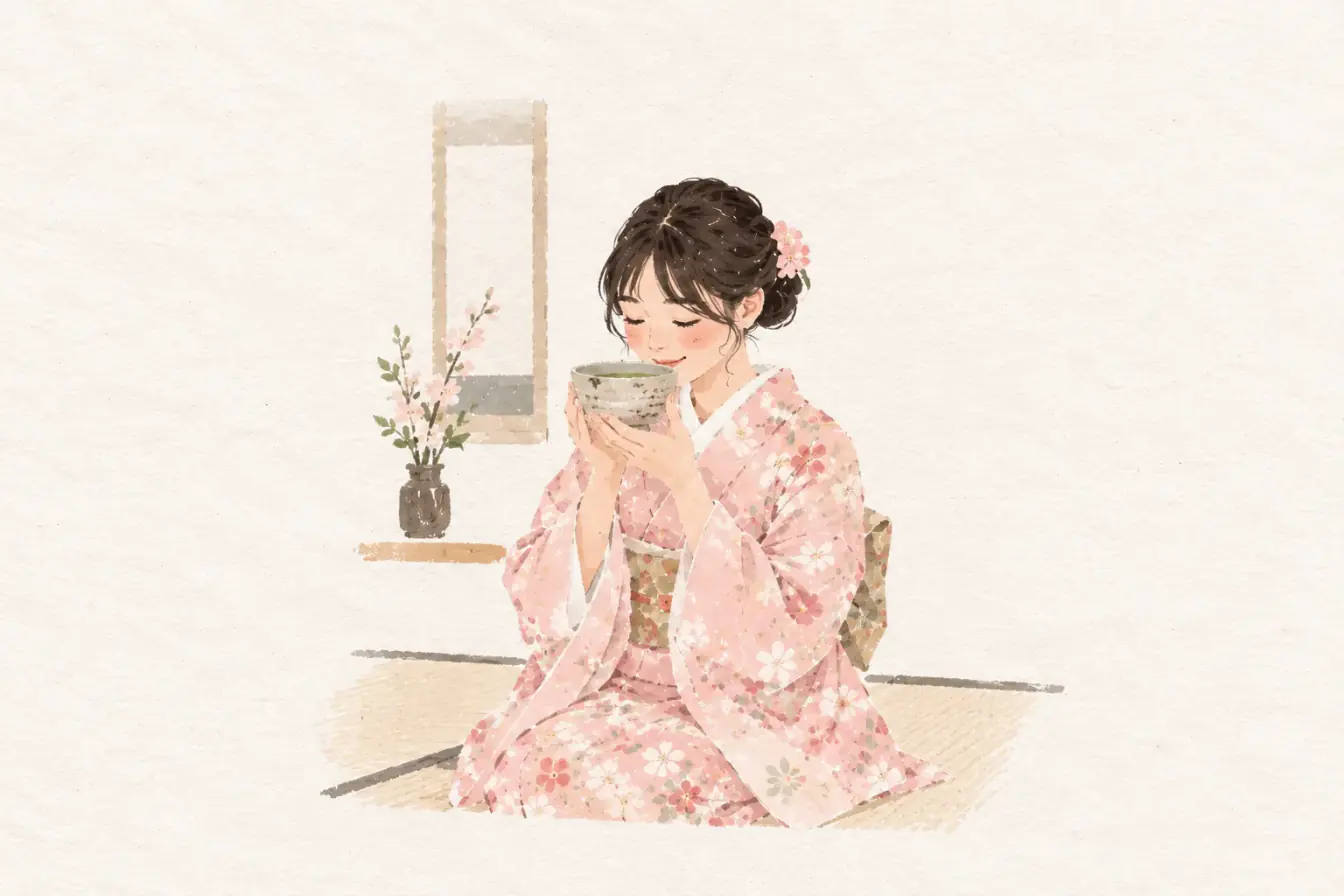
From the outside, the way in is hard to see
Tea ceremony is a culture with centuries behind it, but when you try to begin from the outside, the way in is still hard to see. Information about classrooms is scattered, and the differences between schools aren't clear from outside. As for atmosphere and cost, you often can't know until you show up.
The fact that each school is its own self-contained world becomes a wall for anyone trying to enter from outside. Even when I wanted to recommend tea ceremony to a friend, I couldn't find a classroom near them that might suit them. I couldn't find anywhere to compare classrooms, or anywhere to book in one place.
And it doesn't seem to be only a problem for the people learning. Students don't come, students don't stay, there's no one to pass the practice on to — I've seen teachers voice those worries too. A hard-to-see entrance is probably a problem on both sides.
Fewer people are said to be practising tea ceremony each year. But I don't believe tea ceremony itself is what keeps people away. Perhaps the way in is simply hard to see. If that's true, there's work worth doing that doesn't touch the substance of the culture at all.
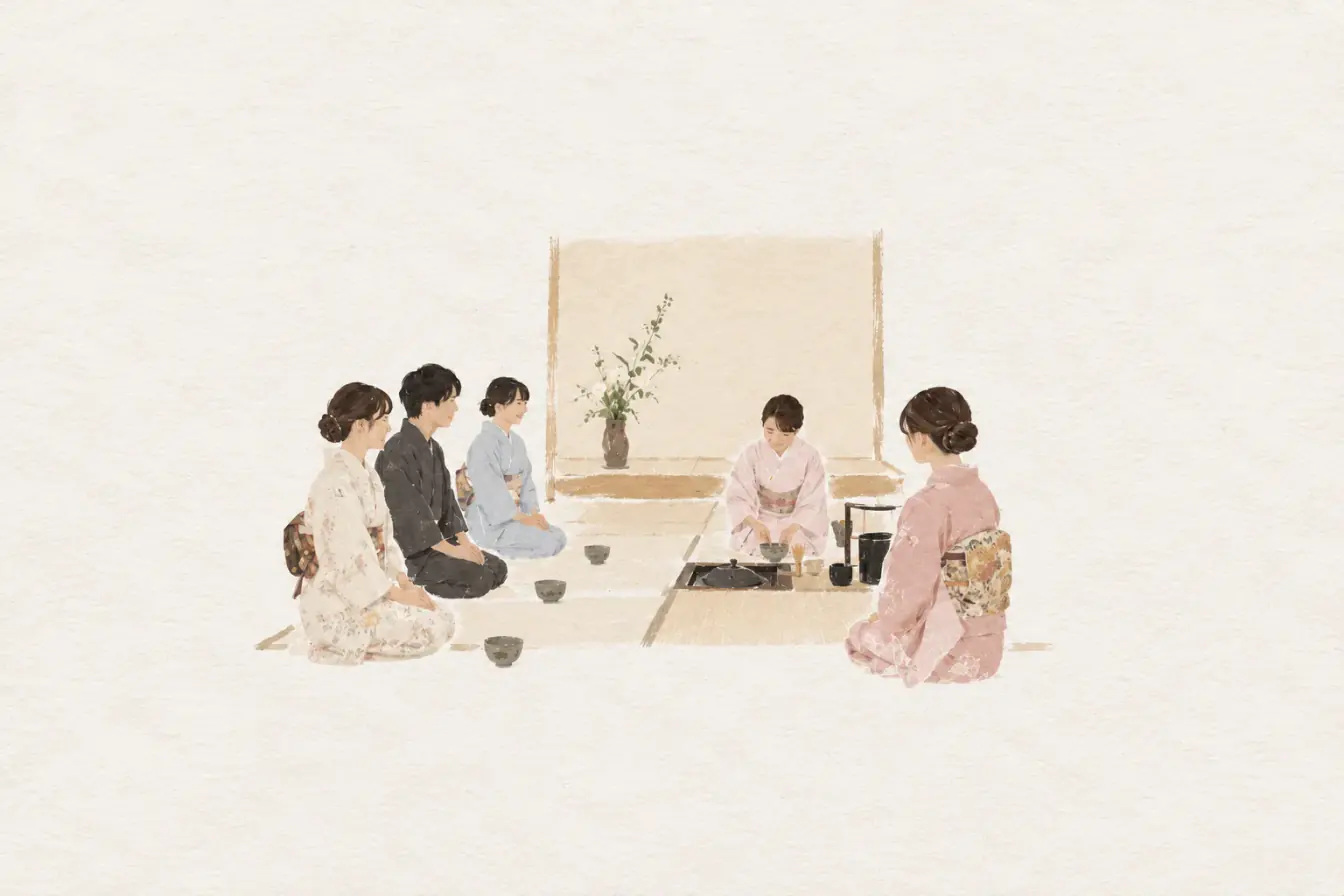
The challenges Chaen is working to solve
The hard-to-find entrance is a problem on both sides, I think. Five ways in for people who want to learn, and one for the people who teach. All of them work today.
Find a classroom
Filter by prefecture, school, and monthly fee, plus 13 conditions such as no-kneeling seating, beginner-friendly, and online. You can also browse the map for classrooms near you.
Browse with filtersDecide, even when unsure
Answer seven questions and get classrooms that match. You can start from not knowing what to base the choice on.
Try the classroom finderKnow before you go
Monthly fees and joining costs, the difference between a visit and a trial lesson, what to bring and what to wear. The things you used to learn only by turning up, readable in advance.
Guide for first-timersNever stumble on a word
Schools, utensils, procedures, and the words of each season, explained in a glossary you can look up the same evening you hear them in practice.
Open the glossaryKeep what you practice
Practice logs, what each season brings, and over 60 badges. Being able to trace what you have learned makes carrying on a little easier.
How practice logs workLighter for teachers too
Listing is free. Bookings, monthly plans, announcements to students, and attendance records all live in one place.
About listing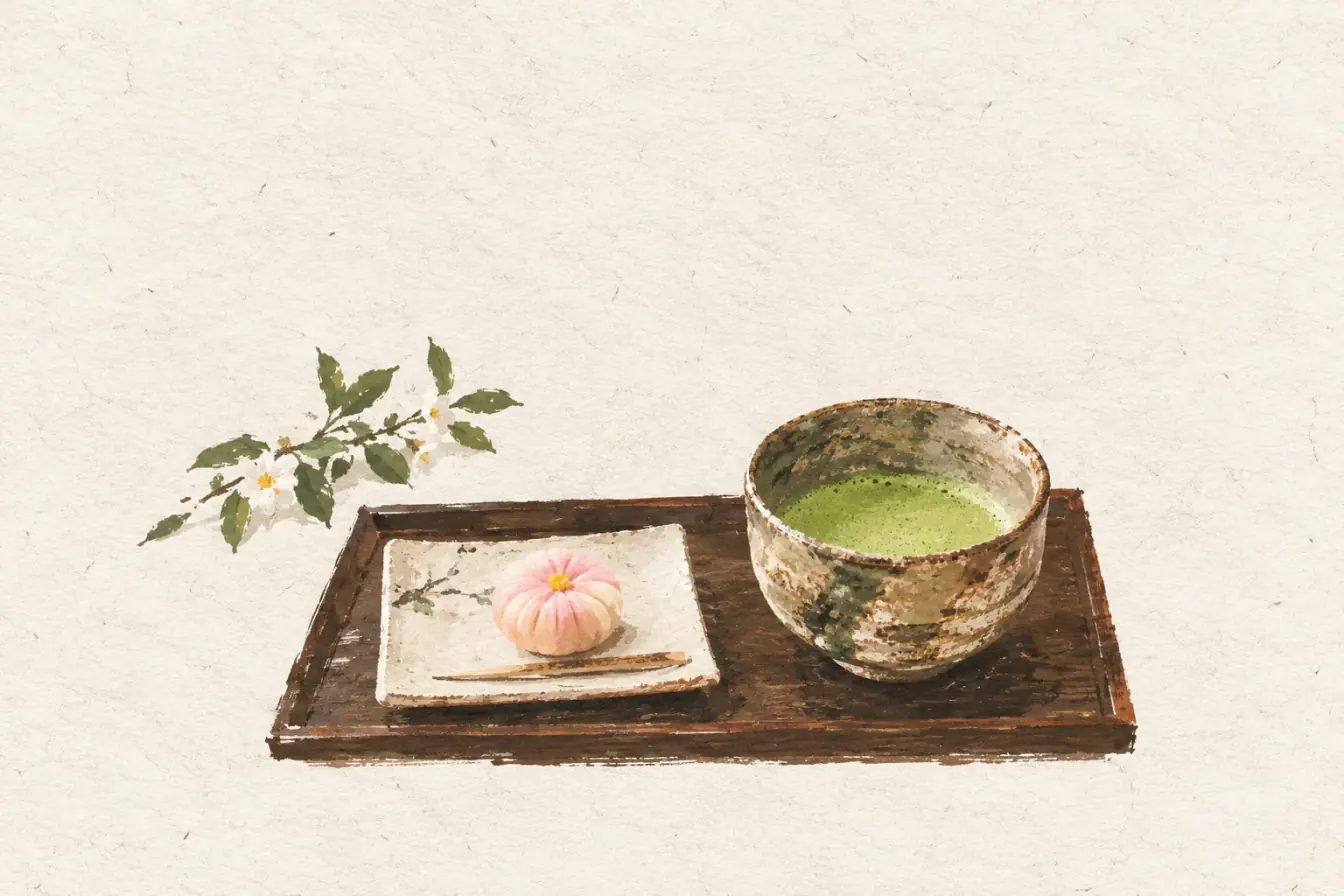
A lit tea room, a hundred years from now
The first thing Chaen does is make it possible to search, compare, and book. It's unglamorous work, but that gap is exactly where I got stuck myself. So that's where I started.
The pricing follows the same thinking. To keep the barrier low for classrooms, listing is free. The only costs are an 8% fee on online payments and the optional Premium plan.
Beyond that, I'm thinking about something further out. I was only able to encounter that bowl of tea because people had carried the practice for centuries. A culture doesn't survive by being preserved — only by being encountered, learned, and handed on does it reach the next era. A hundred years from now, in some tea room somewhere, a kettle is still sounding. I'd like to have had some small part in that.
山口 流石
Founder, Chaen
Start here
Chaen is where people who want to learn tea ceremony meet the people who want to teach it.